
ICE at U.S. Airports: What You Should Know Before You Travel
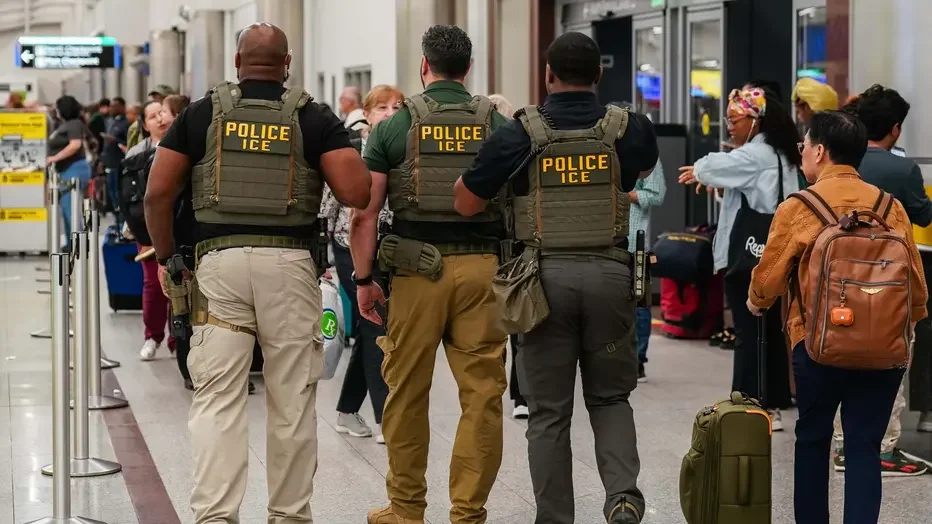
If you’ve been seeing recent headlines about ICE at airports, you’re not alone, and it’s understandable if you’re feeling unsure about traveling right now.
Recent reports confirm that ICE agents are currently present in several U.S. airports, which has raised important questions for immigrants and their families. While officials say these agents are assisting with airport operations, their presence still creates concern because of their authority to enforce immigration laws.
Why Are ICE Agents at Airports Right Now?
Due to staffing shortages affecting airport operations, federal agencies have brought in ICE officers to help support certain functions.
However, it’s important to understand this:
Even if ICE agents are not primarily assigned to immigration enforcement in this situation, they still have the legal authority to question, detain, and arrest individuals under immigration law.
That’s why knowing your rights and your level of risk is more important than ever.
Are Airports Safe for Immigrants?
Airports are considered federal spaces, which means multiple government agencies, including ICE and DHS, operate within them.
Because of this, airports can become higher-risk environments, especially for:
Undocumented individuals
People who are out of status
Those with pending immigration cases
In some situations, individuals may be identified through travel records or identification checks before even boarding a flight.
Your Rights at the Airport
No matter your immigration status, you have rights under the U.S. Constitution.
You have the right to:
Remain silent
Refuse to answer questions about your immigration status
Ask to speak with an attorney
You do not have to answer questions like:
Where were you born?
What is your immigration status?
How did you enter the United States?
If you are approached, staying calm and knowing what to say can make a significant difference.
A Critical Reminder: Do Not Lie
One of the most important things to remember is this:
Do not lie to immigration officers.
Providing false information to a federal officer can lead to serious legal consequences. If you feel uncomfortable answering questions, it is always safer to remain silent and request an attorney.
Travel Risks for Undocumented Individuals
If you are undocumented or currently out of status, it’s important to understand that air travel may carry increased risk right now.
From what we are seeing:
Individuals can be flagged through TSA or DHS systems
Encounters may happen at security checkpoints or boarding gates
Detention is possible if officers believe they have legal grounds
For this reason, we generally recommend avoiding air travel unless it is necessary.
If you do need to travel, speaking with an immigration attorney ahead of time is strongly advised.
What If You Have Legal Status?
Even individuals with legal status should take precautions before traveling.
Green Card Holders
If you are a lawful permanent resident:
Always carry your green card
Be aware that past criminal history, even from years ago, can affect your situation
Visa Holders
If you are in the U.S. on a visa:
Confirm your status is active and valid
Carry important documents like your I-94 and approval notices
Understand that visas can be revoked
DACA, TPS, or Other Programs
Programs like DACA or TPS offer protection, but they are not the same as permanent legal status. Travel can still carry risk, especially in changing enforcement environments.
What to Say If You Are Stopped
If you are approached by an officer at the airport, you can calmly say:
“Am I free to leave?”
“I would like to speak to an attorney.”
“I am exercising my right to remain silent.”
These simple statements can help protect your rights.
Our Perspective
At Soberalski Immigration Law, we understand that situations like this can feel overwhelming.
The most important thing to remember is that being informed is your best protection. Every case is different, and what may be safe for one person may not be safe for another.
Before You Travel
If you are unsure about your situation, it’s always better to ask first.
We encourage you to:
Review your current immigration status
Understand any potential risks
Speak with a qualified immigration attorney before making travel plans
We’re Here to Help
If you have questions about traveling within the U.S. as an immigrant, or concerns about how current enforcement may affect you, speak to an immigration attorney. Call our office at 414-533-5000 to explore your immigration options.